Investing in industrial laser technology is a strategic capital expenditure that directly dictates your facility’s production speed, output quality, and long-term Return on Investment (ROI). At Dolphin Laser Machine Pvt. Ltd., our engineering principles show that the “perfect” machine is never simply the most expensive model on the market—it is the specific system that aligns seamlessly with your material science properties and throughput requirements.
To assist manufacturing facilities in navigating this investment, our consultative engineering team has outlined the essential four-step framework required to audit, select, and deploy the ideal laser system effectively.
Step 1: The Material-to-Technology Match
The primary filter in your machine selection process must be absolute Material Compatibility. Different laser wavelengths interact distinctively with various surface substrates. Selecting an incompatible wavelength will result in material degradation or inefficient cycles. Use the structural matrix below to choose the right laser technology based on your core materials:
(Operator Note: Insert a 3-column Table Block here using the structured data below)
| Material Type | Recommended Technology | Primary Application |
| Metals (Stainless Steel, Mild Steel, Aluminum, Brass) | Fiber Laser Systems | High-speed cutting, deep industrial engraving, and structural welding applications. |
| Non-Metals (Wood, Acrylic, Leather, Plastics, Paper) | CO2 Laser Systems | Precise marking, organic surface etching, and architectural component fabrication. |
| Delicate / Sensitive Substrates (Plastics, Electronics, Glass) | UV Laser Systems | Specialized “cold marking” processes to eliminate thermal stress on sensitive components. |
Step 2: Calculating Necessary Laser Power and Duty Cycle
In heavy manufacturing, laser power (measured in Watts) is not simply a metric of structural strength—it directly dictates your operational Cycle Time. Choosing the appropriate wattage prevents production bottlenecks:
- Lower Wattage Platforms (30W – 60W): Engineered perfectly for high-precision marking, electronic serialization, and shallow etching workflows where fine text detail is the absolute priority.
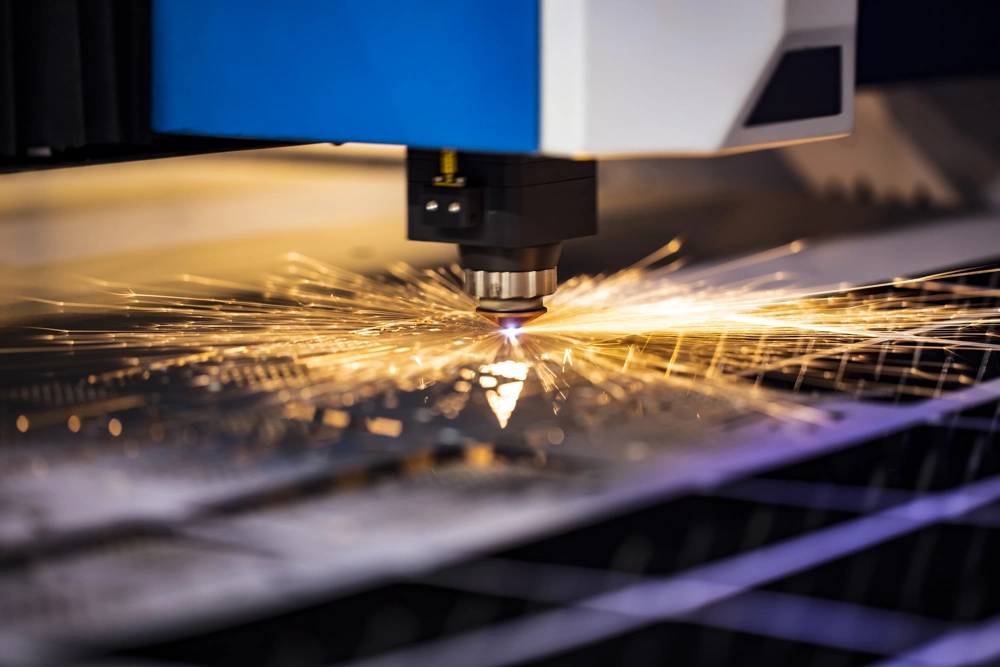
- High Wattage Platforms (1000W – 6000W): Required for deep metal penetration, high-velocity sheet metal cutting, and heavy-duty industrial welding (such as our high-performance Jaguar Series hardware).
The Engineering Rule of Thumb: To maximize equipment longevity and prevent premature optical degradation, always procure a power level that allows your daily workflows to operate at 70% to 80% of the machine’s maximum capacity.
Step 3: Workspace Footprint and Software Integration Logistics
Your facility’s physical floor layout and digital workflow infrastructure must dictate the machine’s physical form factor:
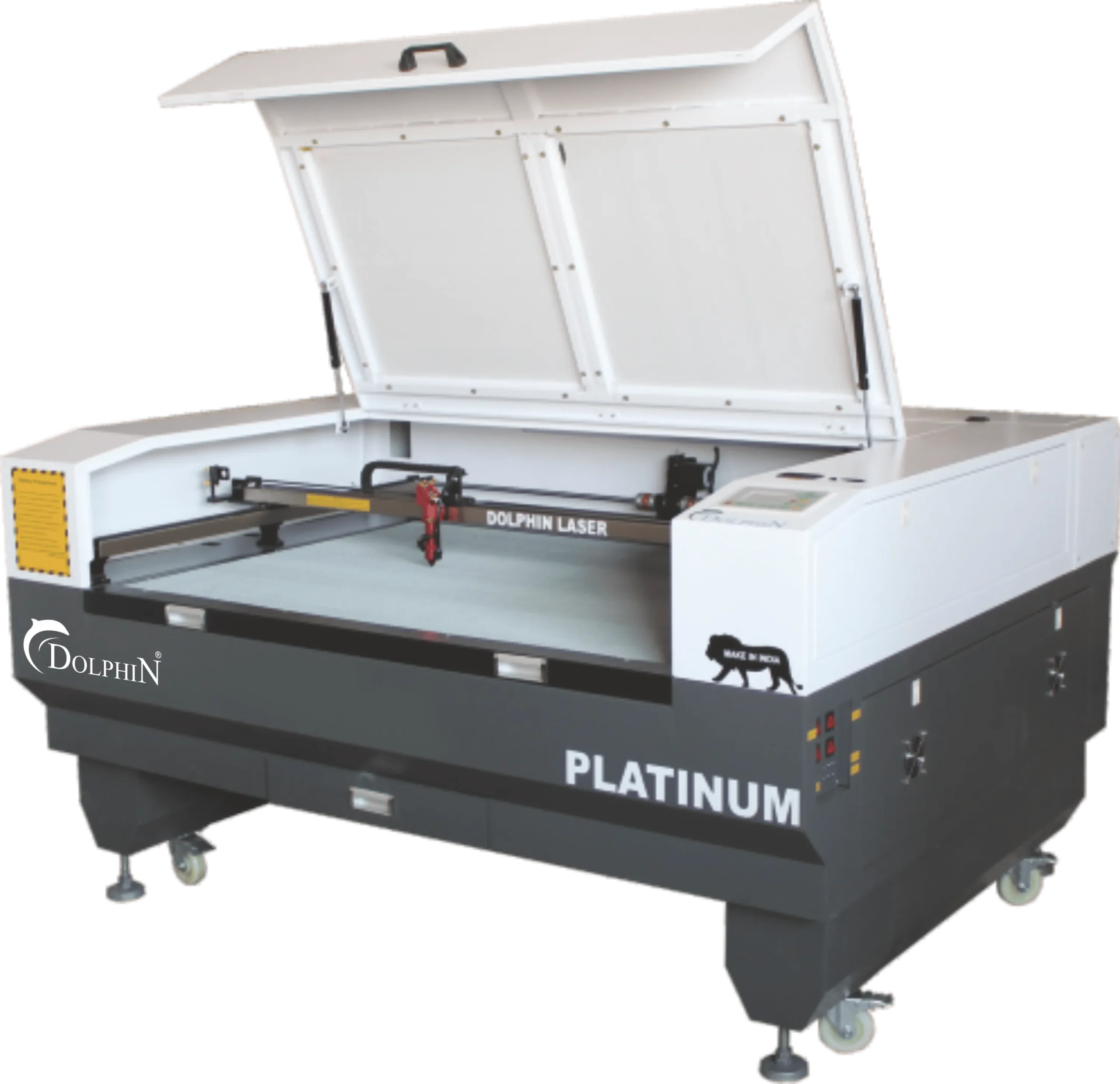
- Large-Scale Automated Production: Opt for fixed, heavy-duty, large-bed systems utilizing extensive working areas (e.g., 300x300mm or greater) equipped with fully enclosed cabinet configurations for maximum operator safety.
- Limited Floor Space and Lean Workstations: Consider compact, portable models or desktop variants that provide high-precision output without demanding a massive footprint on the factory floor.
- Software Compatibility: Ensure the machine’s internal controller supports native industrial vector file formats (including DXF, PLT, BMP, and AI). This allows your design and engineering teams to transition from CAD concepts to active floor production instantly.
Step 4: The B2B ROI Equation (Balancing Speed and Quality)
A frequent mistake in capital procurement is sacrificing marking quality to chase raw speed. An ideal machinery selection perfectly balances the rapid Galvo-scanning speed with absolute laser beam quality. High-speed parts marking becomes counterproductive if the resulting 2D data matrix, QR code, or tracking serial number fails internal quality control readability tests.
The Dolphin Advantage: Consultative Engineering and Audits
Selecting a multi-axis laser machine is a highly complex engineering decision. This is precisely why Dolphin Laser Machine Pvt. Ltd. provides a mandatory, complimentary Technical Audit and Sample Testing before finalizing any purchase. Our application engineers analyze your raw material substrates, accurately measure your required cycle times, and recommend a tailored hardware configuration that maximizes your production efficiency with zero unnecessary overhead expenses.